Family-Friendly Deck Ideas: Safe and Enjoyable Outdoor Spaces for Kids
Developing a family-friendly deck demands careful consideration of both safety and enjoyment for children. The proper materials and design elements can create a secure outdoor area while still encouraging imaginative play. Well-planned design elements confirm that parents can unwind, knowing their kids are out of harm's way. Considering various ideas can create a dynamic environment that satisfies all family members. Which creative approaches can turn an conventional outdoor space into an extraordinary play area?
Choosing Safe Materials for a Family-Friendly Deck
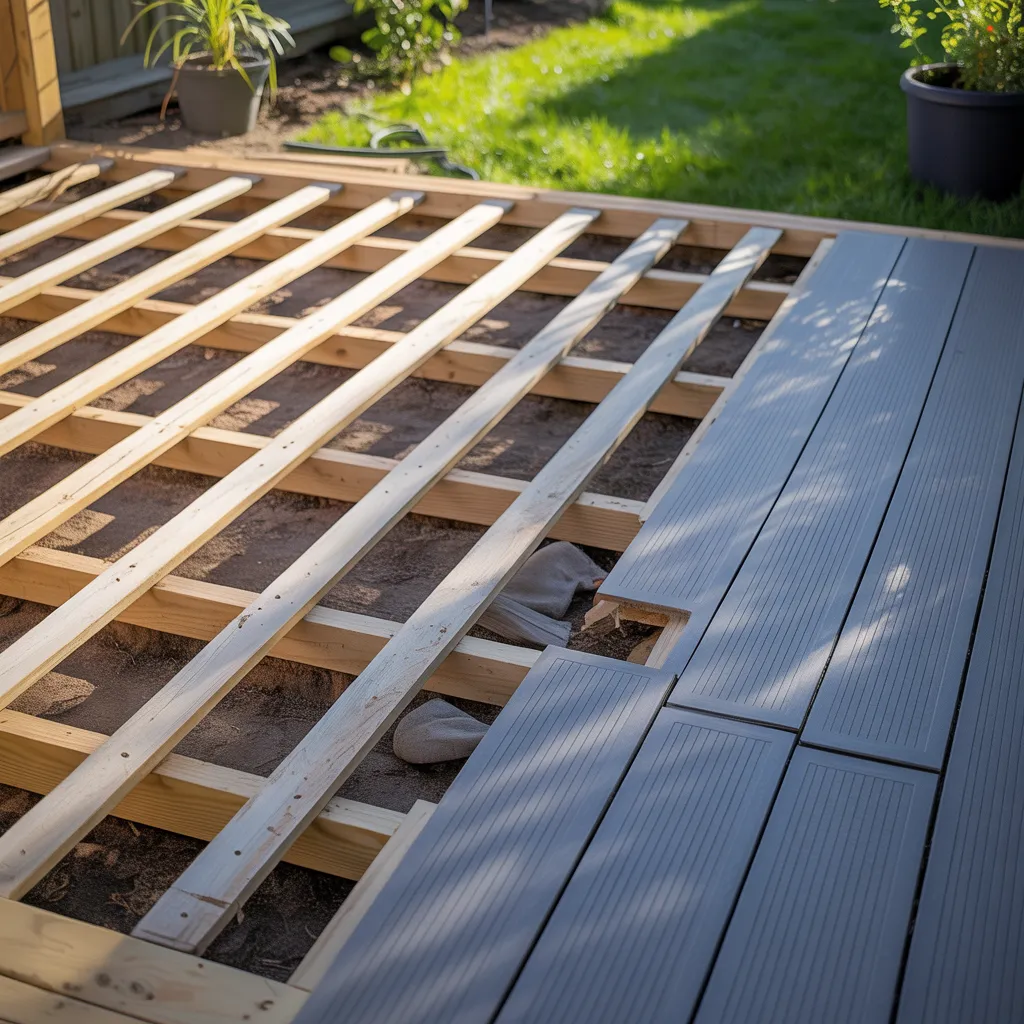
When designing a child-safe deck, selecting safe materials is paramount. Parents prioritize the well-being of their children, making it essential to select materials that limit potential dangers. For decking, composite options often consult this source shine for their toughness and ability to resist splintering, which can assist in preventing accidents. Furthermore, choosing wood infused with non-toxic protective solutions ensures that toxic substances do not seep into the surrounding environment.
Railings must be robust yet structured to prevent small hands from getting caught or climbing. Smooth surfaces are important to avoid cuts or scrapes, and curved edges can contribute to a safer environment. Moreover, opting for slip-resistant surfaces is vital, particularly in spaces that are susceptible to moisture.
When all is considered, mindful selection of materials support a reliable outdoor area where families can enjoy quality time together, nurturing both fun and safety as essential aspects of the deck space.
Creative Design Ideas to Spark Kids' Imagination
Developing a family-friendly deck involves not only security but also stimulating young ones' creativity. To accomplish this goal, parents can incorporate bright colors and whimsical designs that engage children's imaginations. For example, including a chalk panel fosters creative exploration, letting kids to create and write at will.
Including themed zones can also inspire play; a pirate ship area, equipped with steering wheels and climbing ropes, can transport children into adventurous domains. Gentle, textured flooring, like padded foam tiles, provides a tactile quality that encourages exploration.
In addition, incorporating elements from nature, such as a compact garden or sensory planters, can foster a sense of wonder about nature. A cozy storytelling corner, showcasing snug seating and whimsical decor, allows little ones to engage with beloved stories. When these inventive design ideas are combined, an outdoor deck can become a captivating space that encourages creativity among children while prioritizing their well-being.
Fun Outdoor Activities for Children
Although a beautifully crafted deck serves as a great foundation, fun outdoor activities are key to keeping children energized and engaged. Incorporating games like cornhole and giant Jenga can foster friendly competition, encouraging teamwork and coordination. These activities not only promote physical fitness but also enhance social skills as children interact and strategize together.
Another popular option is a straightforward scavenger hunt, which can be tailored to all age levels. This activity stimulates curiosity and exploration, enabling kids to explore their environment while making memories. Moreover, classic games such as hopscotch or twister can be easily set up on a deck, providing hours of entertainment.
Adding a little area for chalk drawings can also spark creativity, enabling kids to explore their creative side. In the end, a range of entertaining games guarantees that the outdoor space remains lively and welcoming, making it a favorite spot for children.
Creating Comfortable Family Spaces on Your Deck
Creating comfortable family spaces on a deck involves thoughtful planning and design. Comfortable seating configurations, child-safe flooring choices, and dedicated shade zones can turn an outdoor area into an inviting haven for the whole family. By combining these components, families can experience valuable time together while prioritizing comfort and security.
Comfortable Seating Setups
A carefully planned deck can serve as a family's favorite gathering spot, especially when comfortable seating setups encourage rest and togetherness. Integrating a mix of versatile seating choices, such as upholstered benches, roomy chairs, and hammocks, assures everyone has a place to rest. Soft, weather-resistant fabrics in vibrant colors can enhance the inviting atmosphere, while throw pillows bring a layer of warmth and charm. Setting up chairs in a circular pattern promotes interaction, making it more natural for families to connect while enjoying outdoor time. Additionally, incorporating a shaded area with an umbrella or pergola can protect against the elements, guaranteeing that the space stays pleasant throughout all seasons. Careful seating configurations convert a deck into a beloved family sanctuary, designed for building timeless experiences.
Child-Safe Flooring Choices
Having arranged inviting seating arrangements, attention turns to the value of selecting family-friendly flooring solutions for a home deck. Safety and comfort are essential when young ones are enjoying outdoor activities. Long-lasting materials like composite decking or rubber tiles deliver a soft landing to minimize injury, reducing the risk of injury. In addition, these surfaces are designed to prevent slipping, guaranteeing safe footing while playing. For families seeking an eco-friendly choice, reclaimed timber or bamboo flooring can be simultaneously attractive and eco-conscious. Proper drainage is also a consideration; flooring that facilitates water runoff can reduce hazardous wet areas. In the end, selecting the ideal flooring improves safety while fostering a welcoming environment for family events and fun.
Shade and Comfort Zones
What are the best ways for families to relax outdoors while staying shielded from the sun? Establishing shaded and comfortable areas on a deck is key to making the most of outdoor living. Families can incorporate pergolas, awnings, or large umbrellas to shield against harsh sunlight. Such installations not only create a comfortable haven from the heat but also improve the overall look of the deck. In addition, incorporating weather-resistant rugs and comfortable outdoor seating can form cozy gathering spaces where parents can watch over their kids as they enjoy themselves. Incorporating plants, such as potted trees or climbing vines, can further enhance the shaded environment. Through the intentional creation of these comfort areas, families can take full advantage of their deck in every season, building a protected, entertaining, and peaceful haven for people of all ages.
Must-Have Safety Features for Your Deck
When creating a family-friendly deck, protective features are a priority. Robust railings and gates deliver critical safeguarding, while non-slip surface materials help prevent accidents. Combined, these components establish a safe space for family events and outdoor enjoyment.
Strong Railings And Gates
Robust railings and gates are fundamental security components for every family-oriented deck, guaranteeing that pets and children can use outdoor spaces without risk. These elements create a secure barrier that stops accidental falls and ensures young ones are contained within a safe area. Railings should be a minimum of 36 inches in height, made from long-lasting materials, and designed with tightly spaced balusters to remove climbing hazards. Gates should be automatically closing and latching to restrict unwanted access, giving parents reassurance. Additionally, adding additional locks can strengthen protection, especially in homes with young children. Through prioritizing robust railings and gates, homeowners can establish a safe environment that supports outdoor play and discovery while limiting possible risks.
Non-Slip Flooring Materials
Establishing a secure outdoor space for families reaches past secure railings and gates to include non-slip surface materials. Such materials are critical for preventing slips and falls, especially in wet conditions. Options such as textured composite decking, rubber pavers, and treated wood provide both safety and aesthetic appeal. Textured surfaces increase friction, lowering the chance of injuries while playing. Moreover, adding non-slip coatings on existing surfaces can enhance safety without the need for a complete overhaul. Families should also consider drainage solutions to reduce pooling water, additionally enhancing protection. When focusing on non-slip options, homeowners can develop an appealing outdoor setting that allows children to play freely while protecting their overall safety.
How to Keep Your Kid-Friendly Deck in Great Shape
Keeping a child-safe deck demands regular attention to guarantee safety and longevity. Periodic assessments should be conducted to detect any unsecured boards or exposed nails that could pose hazards. Scrubbing the deck with a gentle soap solution effectively eliminates mildew, dirt, and mold, promoting a secure play area. Furthermore, it's important to reapply protective sealants periodically to avoid moisture damage and copyright the deck's durability.
Families should also examine railings and barriers to ensure they are secure and high enough to reduce the risk of falling. Consistently pruning surrounding trees and bushes can minimize the buildup of debris and increase sunlight penetration, which helps the deck dry more quickly after rainfall. Finally, properly storing outdoor toys and gear can avoid disorder and keep the area tidy. By implementing these care routines, households can maintain a safe and pleasant deck environment for their children.
Affordable Options for a Family-Oriented Deck
Cost-effective options can significantly transform a family-friendly deck without breaking the bank. Easy features like outside area rugs can section off play zones while providing comfort and safety. Using repurposed materials, such as wooden pallets or storage crates, can produce creative seating and storage solutions for kids' belongings, helping the area stay tidy and organized.
Integrating potted greenery or vertical plant displays adds greenery without requiring extensive landscaping. Cost-effective, subtle lighting, such as string lights, helps create a comfortable, charming atmosphere for family gatherings in the evening.
Additionally, choosing inexpensive, weather-resistant pieces provides strength and convenience of care. A DIY sandbox made from inexpensive wood can deliver hours of fun for kids.

Common Questions and Answers
What Are the Top Plants for a Kid-Friendly Deck Zone?
Kid-safe deck plants include snapdragons, lavender, and marigolds, as they are safe and hardy. Additionally, ferns and ornamental grasses deliver beauty while creating a secure space for kids to discover and appreciate.
What Are the Best Ways to Include Storage for Kids' Outdoor Toys?
Integrating storage options for kids' outdoor playthings can be accomplished with weather-resistant bins, decorative storage benches, or under-deck cabinets. These solutions keep toys organized, promote safety, and maintain a tidy, inviting outdoor space.
Are There Eco-Friendly Options for Deck Materials?
Environmentally conscious choices for decking materials include recycled wood, bamboo, and composite materials derived from reclaimed plastics. These choices minimize environmental impact while offering durability and visual appeal, rendering them perfect for sustainable outdoor environments.
What Age Range Is a Deck Best Suited for Children?
Decks are best suited for kids between the ages of 3 and 12, as kids of this age generally love playing outdoors and exploring their surroundings. Safety features and design considerations should address their growth needs and lively play behaviors.
What Is the Best Way to Child-Proof My Deck Railings?
To make deck railings child-safe, it is recommended to install vertical slats spaced no more than four inches apart, use netting or mesh barriers, and guarantee the railing height is at least 36 inches to prevent accidental falls.